Navigate by instinct, not markers
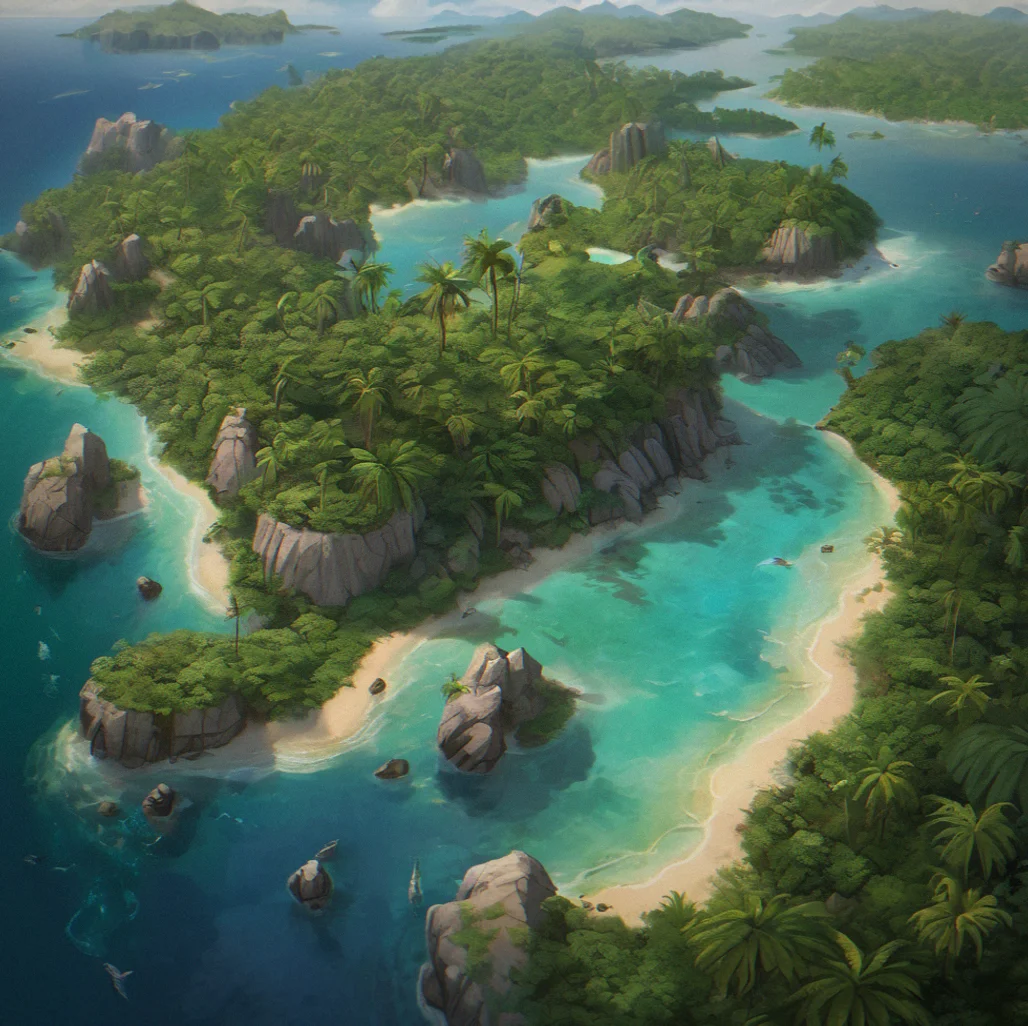
The island keeps its own history. You'll uncover yours.
Climb peaks. Decipher stone arrangements. Each find changes how you approach the next challenge. The island won't point you anywhere. Instead it gives you hints. A metallic glint wedged between boulders. Stones arranged too carefully to be random. A stream that flows the wrong way through one gorge. None of these are highlighted objectives. They're more like... nudges.
You gather resources by reading the environment, solve puzzles tied to what you see around you, and unlock new abilities by noticing things. Exploration across hand-built zones where the world itself tells the story. Every system serves a purpose. That also means no empty progression bars or fake grind.
How Risingcove Works
Seven systems that breathe together
Environmental Clues
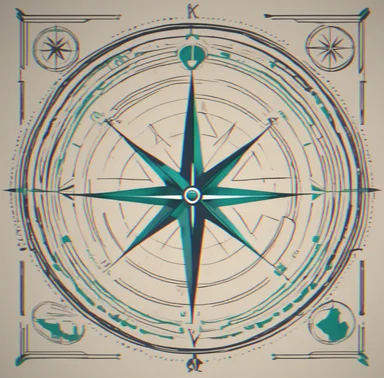
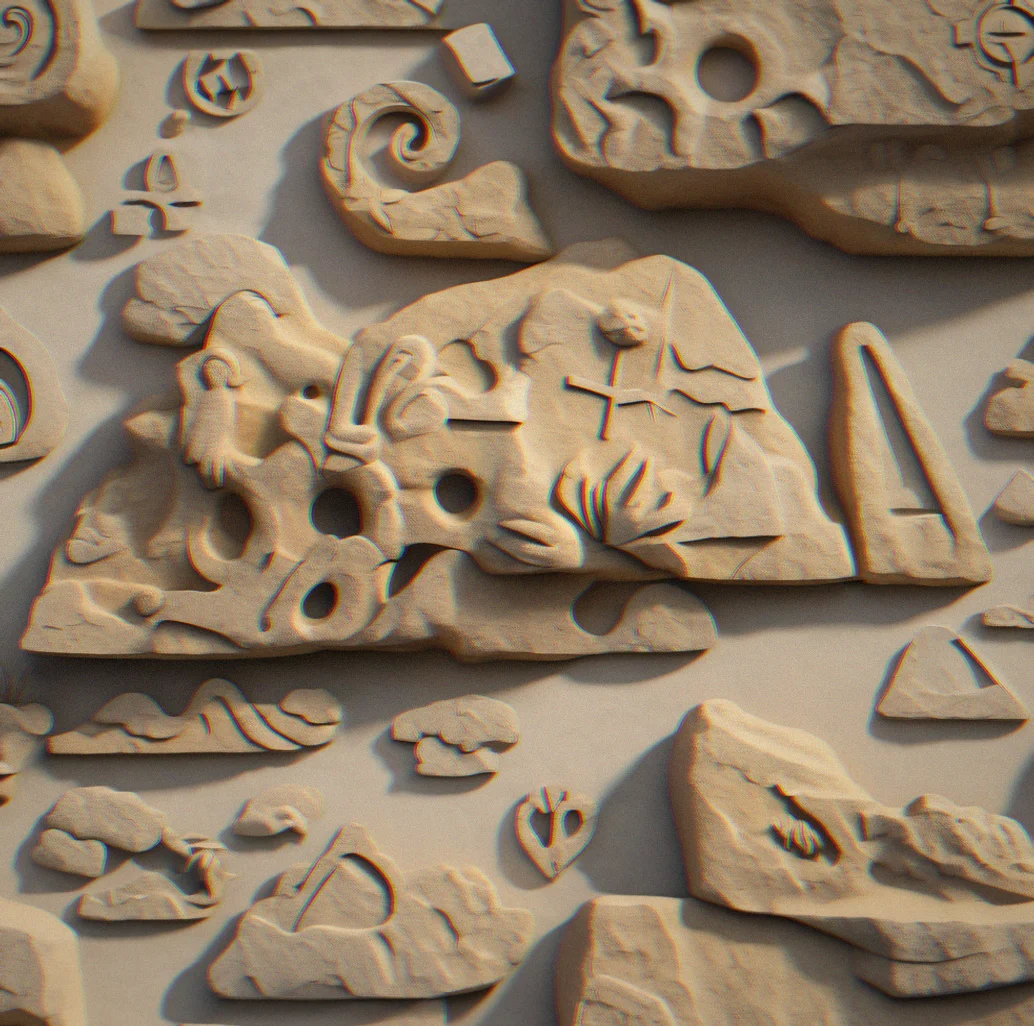
The island tells you things if you pay attention. Stone patterns, the way water flows, rust stains on metal, old tool marks weathered smooth. You start picking up on these signals right away, and by the time you've been there for a while, you're reading them like a native.
Resource Gathering
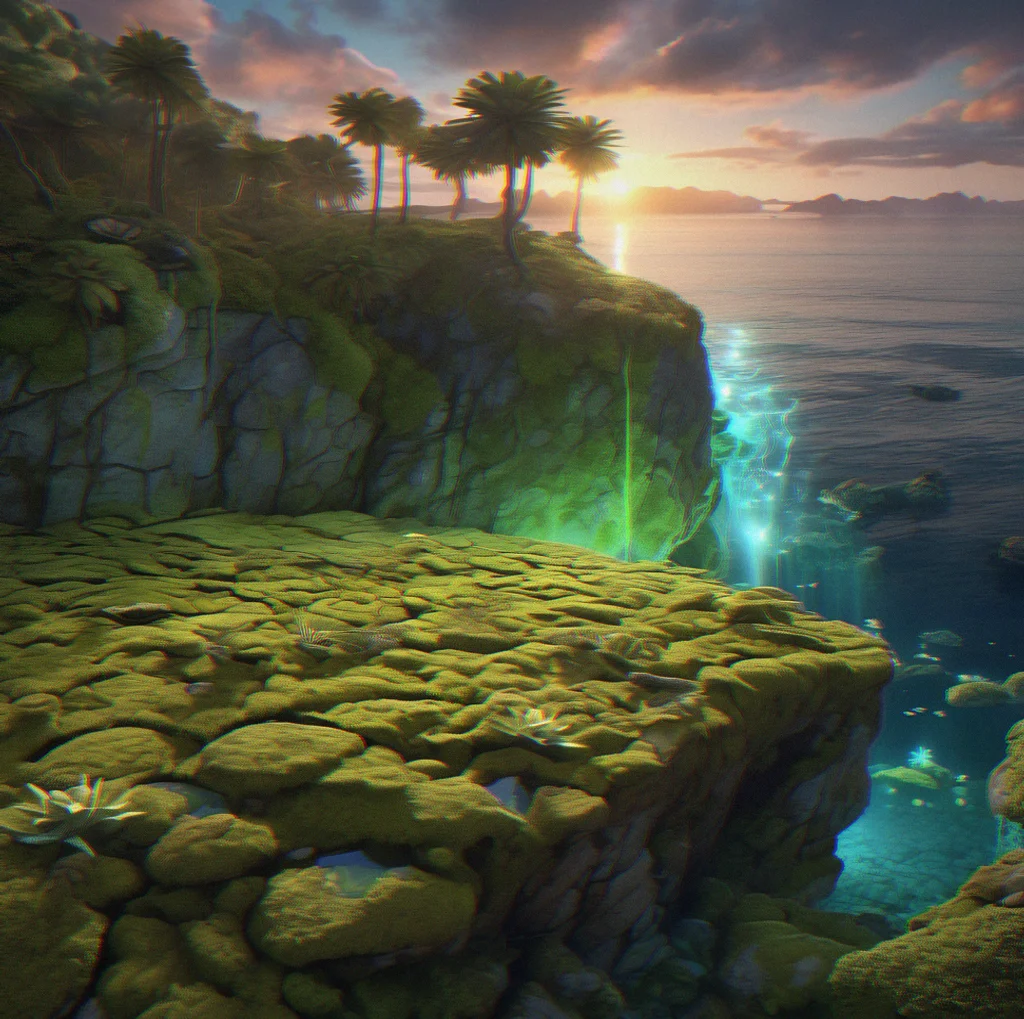
Silver moss only grows where moisture sticks around. You'll find fiber bundles clustered near water sources and stone fragments scattered across fractured ground. The thiing is, you're not gathering because some system is forcing you to. You need these things because the next puzzle won't solve itself without them.
Puzzle Mechanics
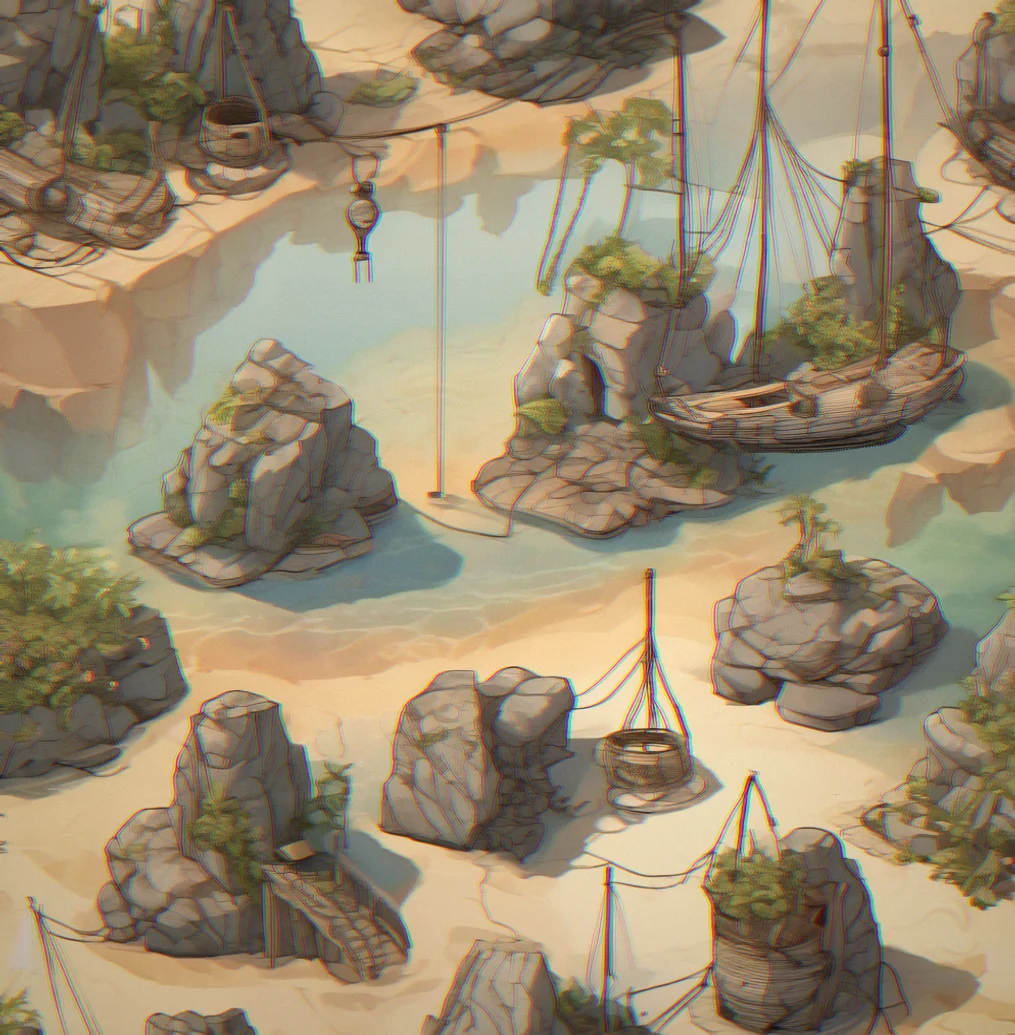
You won't find any weird block-sliding nonsense here. When something clicks into place, it's because you actually understood how the world works—leverage and water displacement, weight distribution, the grain of stone. The mechanism yields. The door opens.
Non-Linear Progression
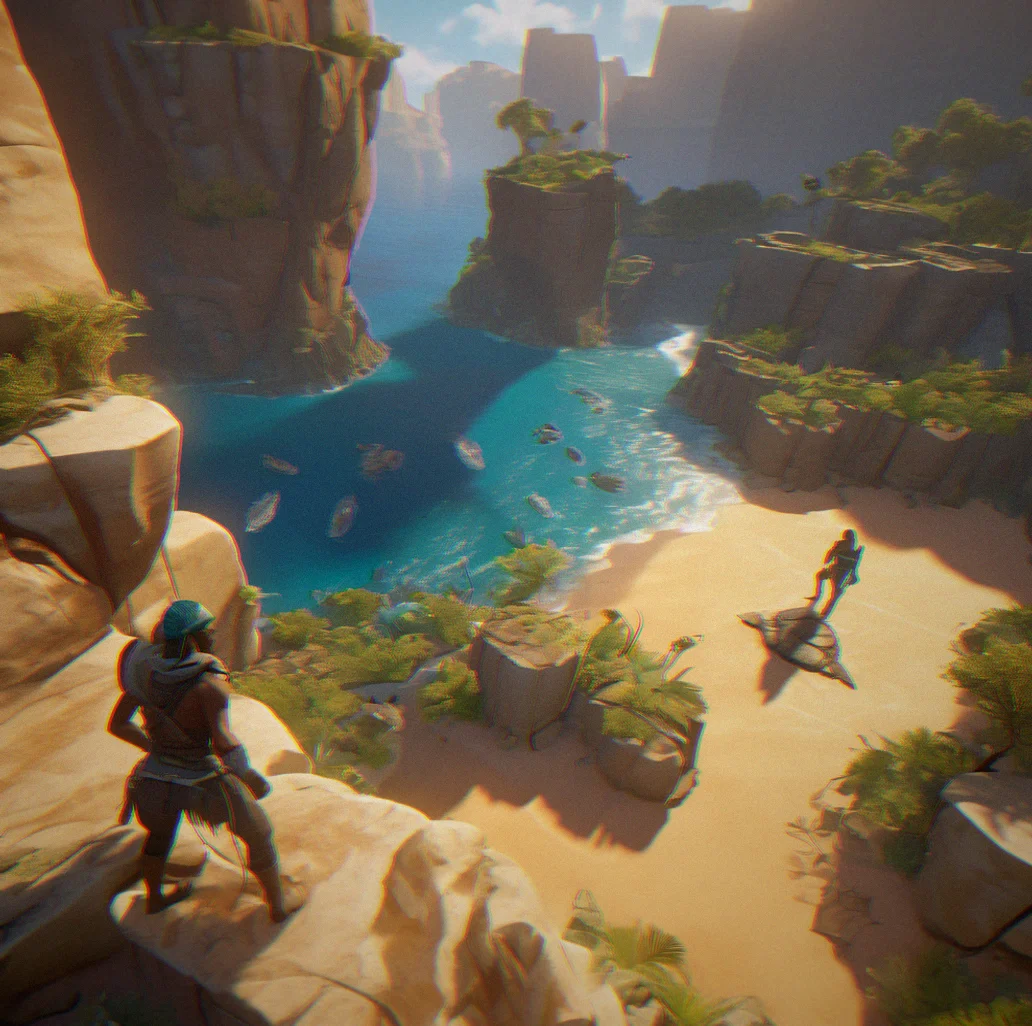
There's no single way forward. You unlock new capabilities—rope-climbing, the ability to hold your breath underwater for short bursts, reading certain glyphs—through finding and understanding, not through some level system. Discover the temple. Figure out how it works. Now you can do that thing.
Biome Variation
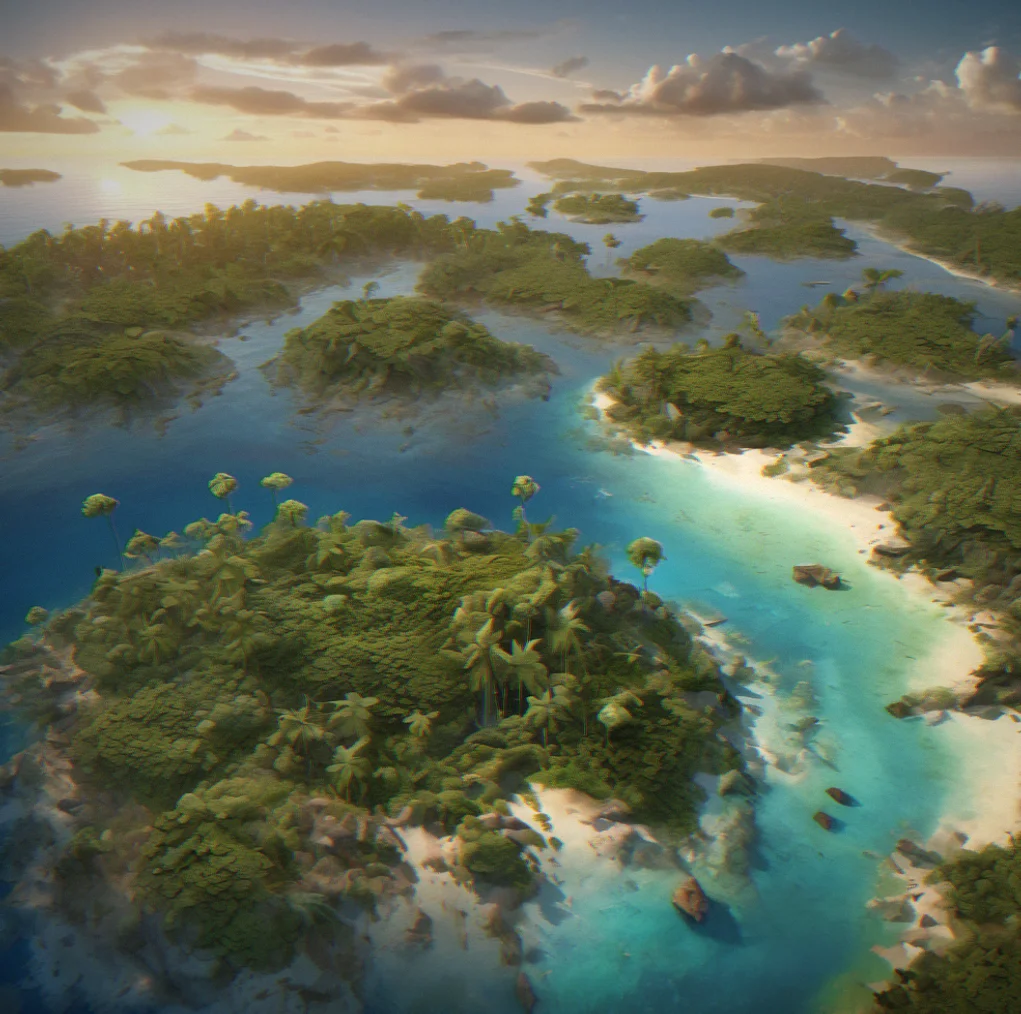
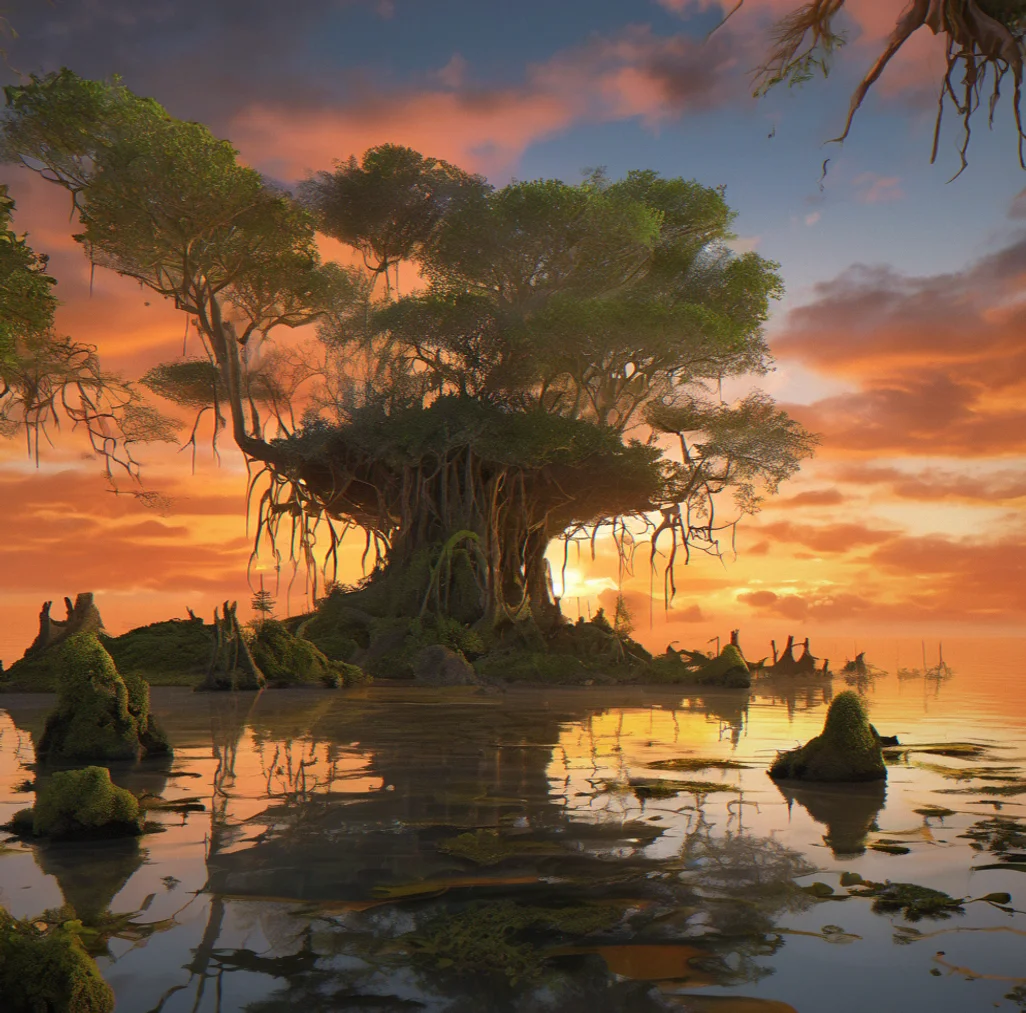
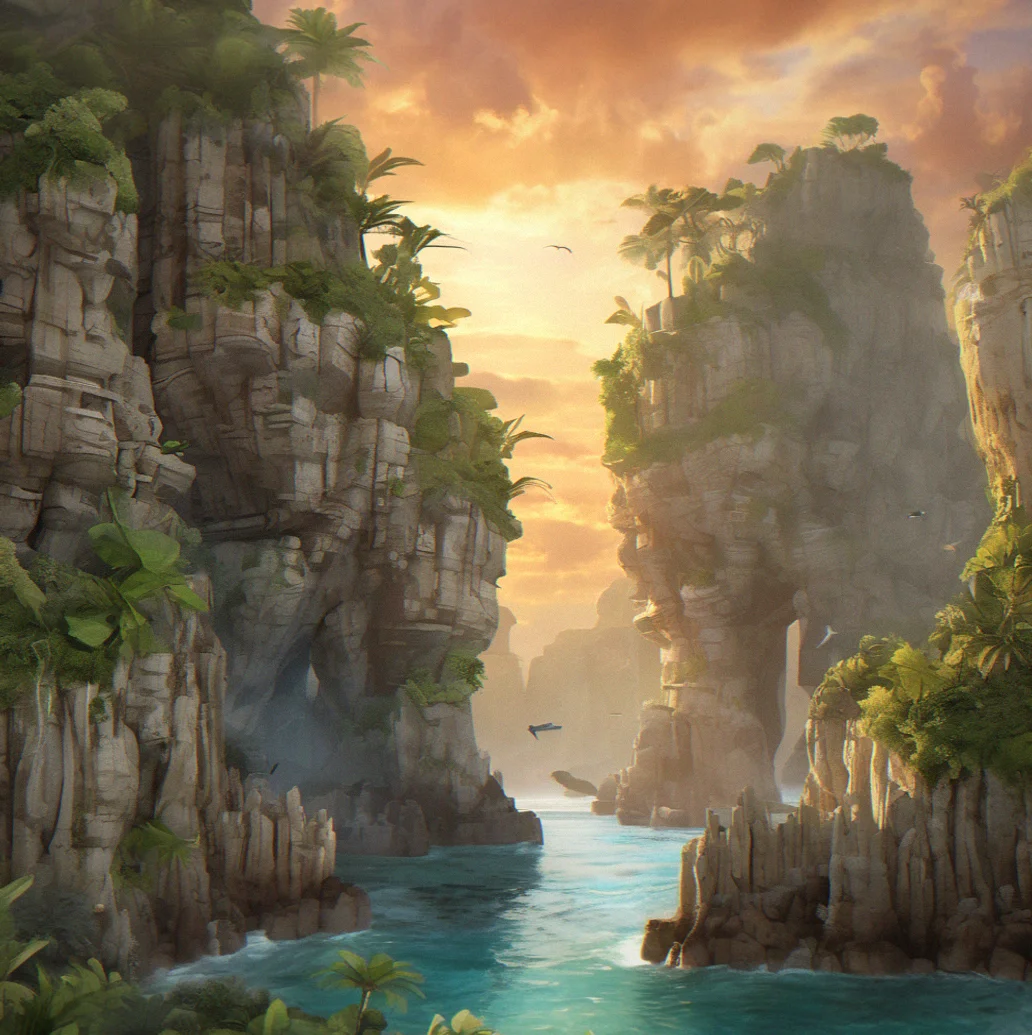
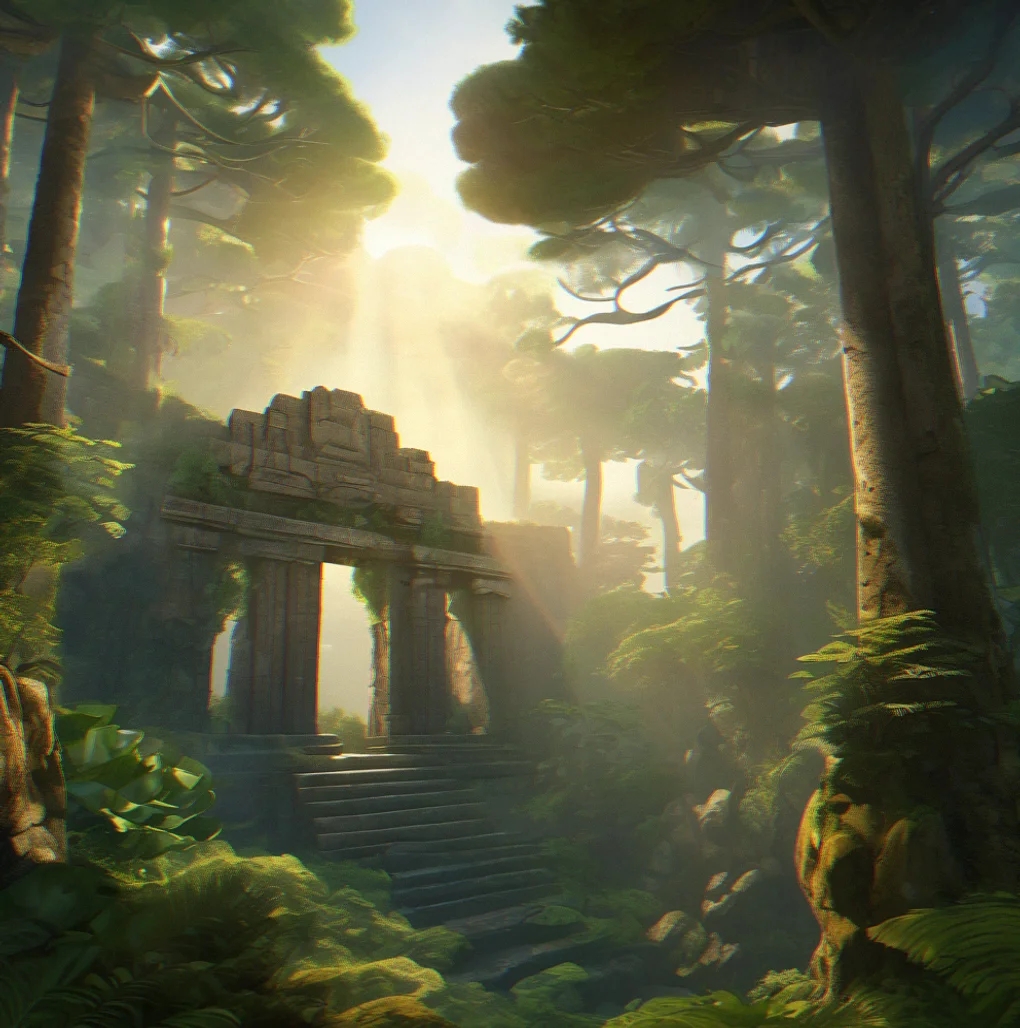
The wetlands teach you how to track resources. The ridges teach climbing and navigation. The forest teaches you how to see when everything's dark. Each place speaks a slightly different dialect of the same language, and that distinction actually matters.
Environmental Storytelling
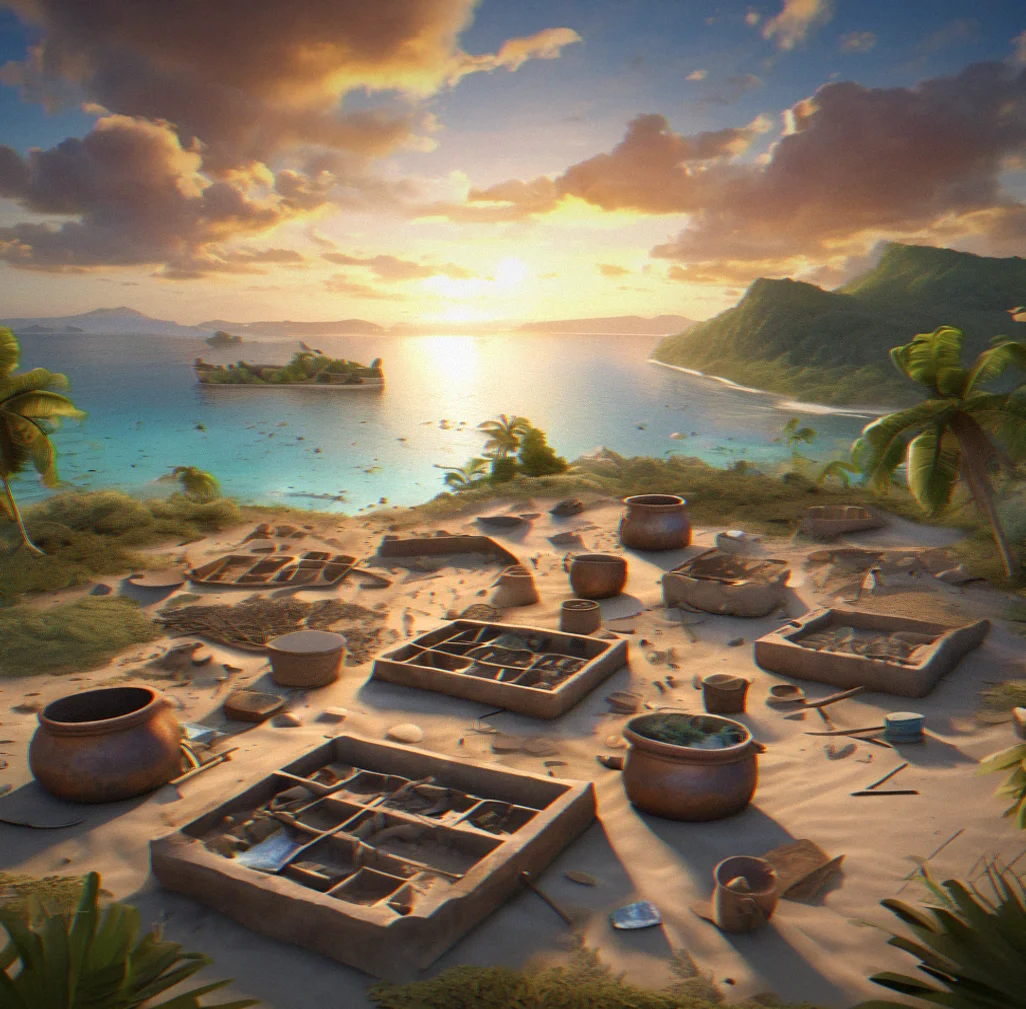
The island doesn't dump its history through inventory scrolls. You piece together what happened by examining leftover stones and tools, by seeing how water carved through a canyon. The civilization that was here left traces everywhere, and you have to connect the dots yourself.
Discovery Rewards
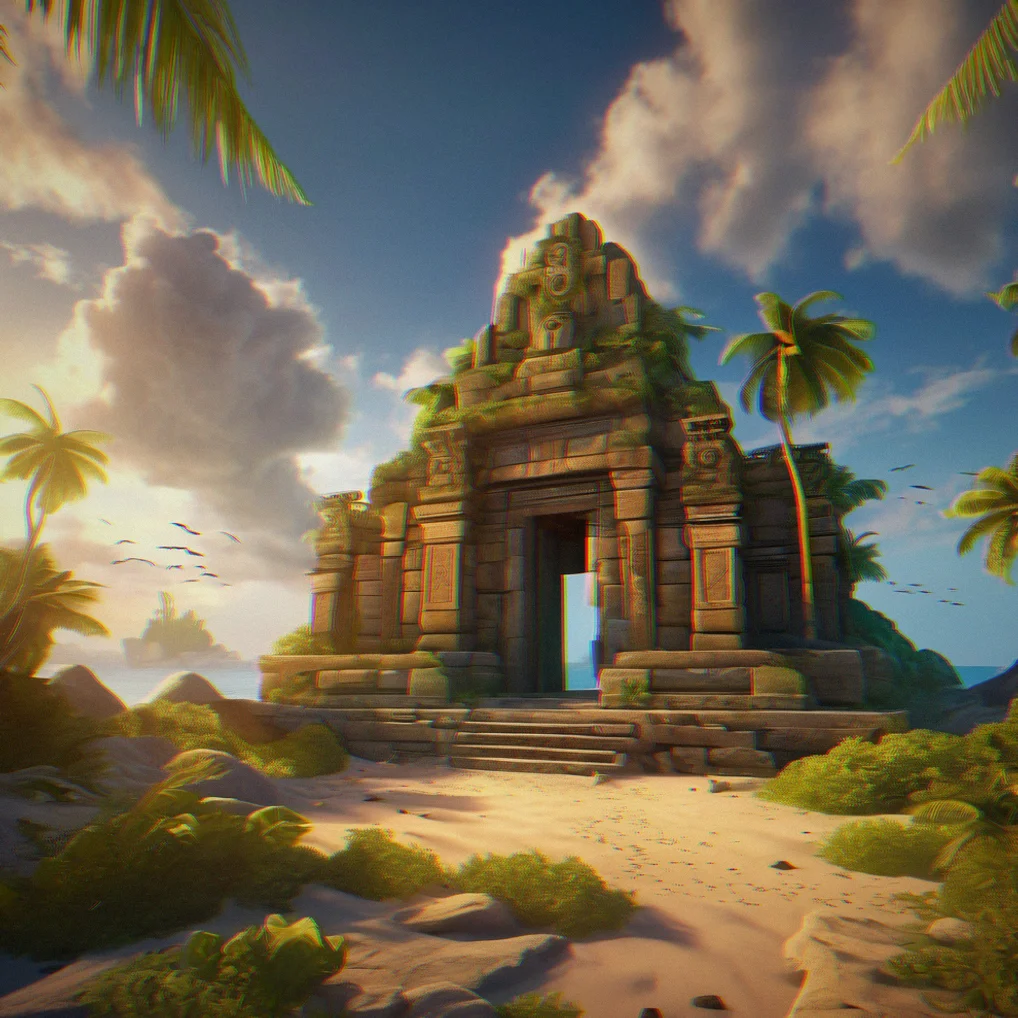
It's not about stats climbing or experience bars filling. Real rewards are a door that only opens because you solved what it needed, a shortcut that exists because you found it, a piece of the island's story that reveals itself once you've actually earned the understanding.
The Island Demands Your Attention
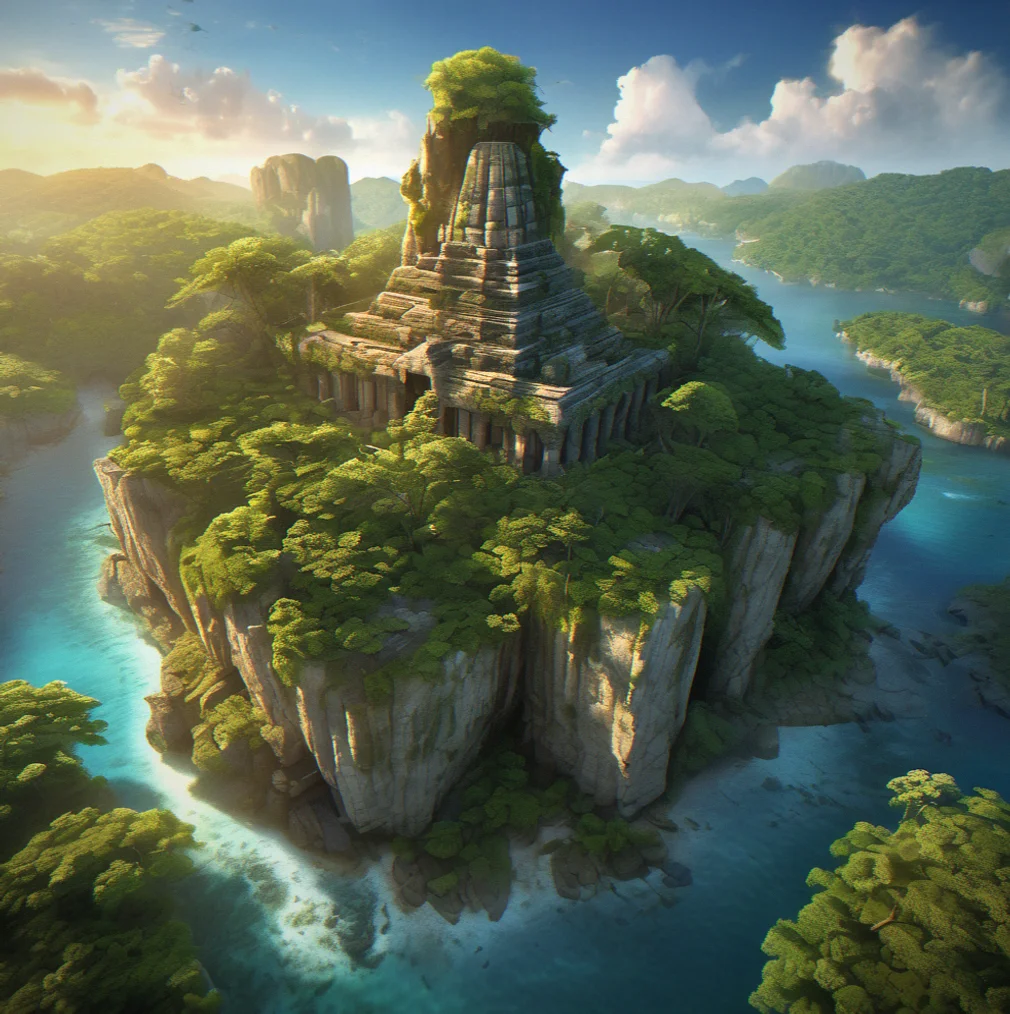
You're looking at somewhere between 40 and 70 hours to really figure out what this place is about. The island splits into three distinct biomes, and each one teaches you something new about reading the world around you. All the progression gates? They're puzzles that actually respect the rules the island follows. There's no quest markers holding your hand. No compass telling you where to go. You've got observation, trial and error, backtracking and the patience to try a different approach. The way you get stronger doesn't work like most games. Instead of handing you power, it hands you understanding. You learn to climb because you found the temple and figured out what to do. You can read the glyphs because you bothered to piece the language together. Real fluency comes from staying curious long enough to earn it.
What Makes Exploration Feel Real
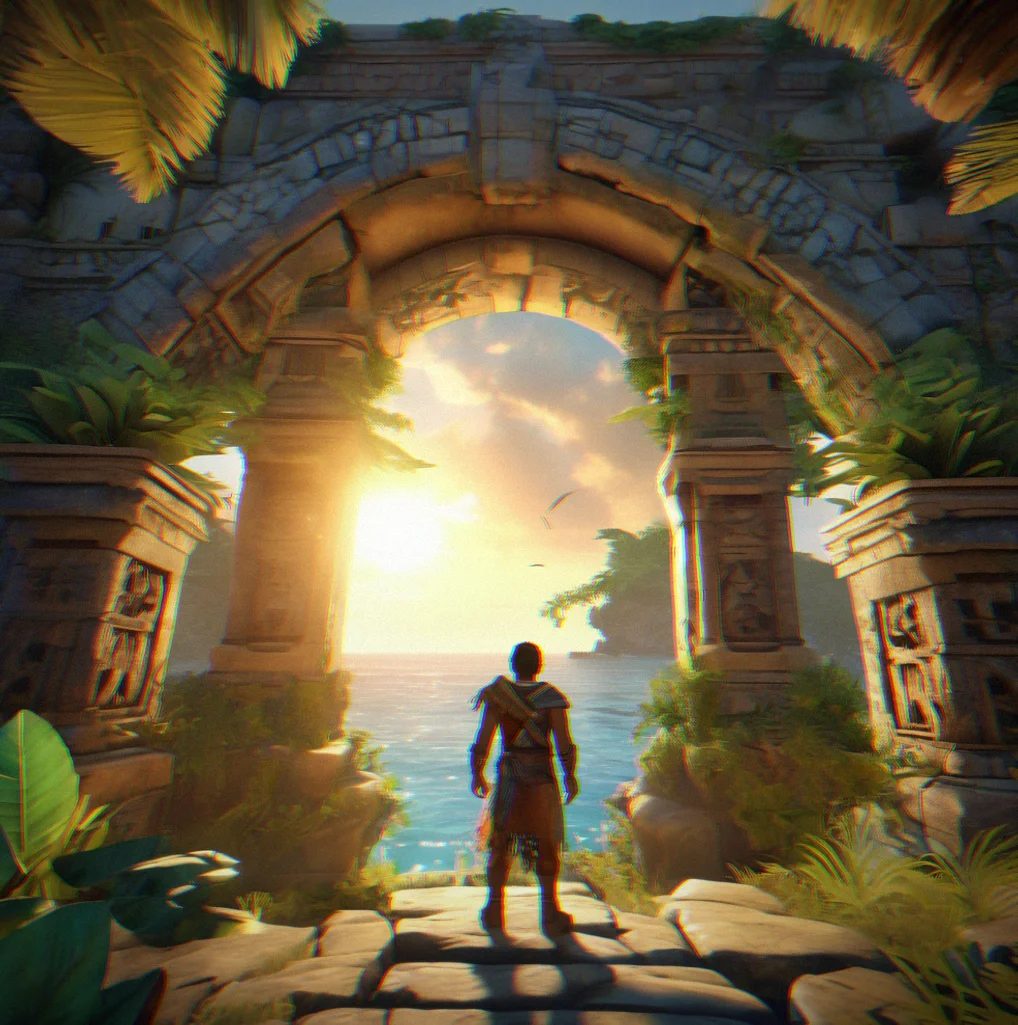
There's something different about stumbling onto a hidden mechanism versus just clicking unlock in some menu. You actually found it. You saw those carved grooves in the stone and thought they meant something. You tried running water through that channel to see what would happen. Then you realized the pulley system needed rope—rope you hadn't collected yet—so you backtracked into the wetlands, gathered silver fibers, and came back. The puzzle wasn't sitting there waiting to be solved. It was woven into the world. And the world doesn't hold your hand. It just lets you figure it out.
Every place you go teaches you how to read the next one. The mangrove wetlands show you how water actually moves. The limestone ridges are all about weight and counterbalance. The forest teaches you navigation in low light. Fast forward a few hours into the temple and you're not following some checklist anymore. You understand the language. You see a mechanism and you instantly know what it's asking for. That's your real progression. Not numbers climbing on a screen. Not pop-up notifications. Just the fact that you've gotten genuinely better at this.
Major landmarks that unlock navigation shortcuts
Minutes of ambient soundtrack cmoposed per biome
The Loop That Hooks You
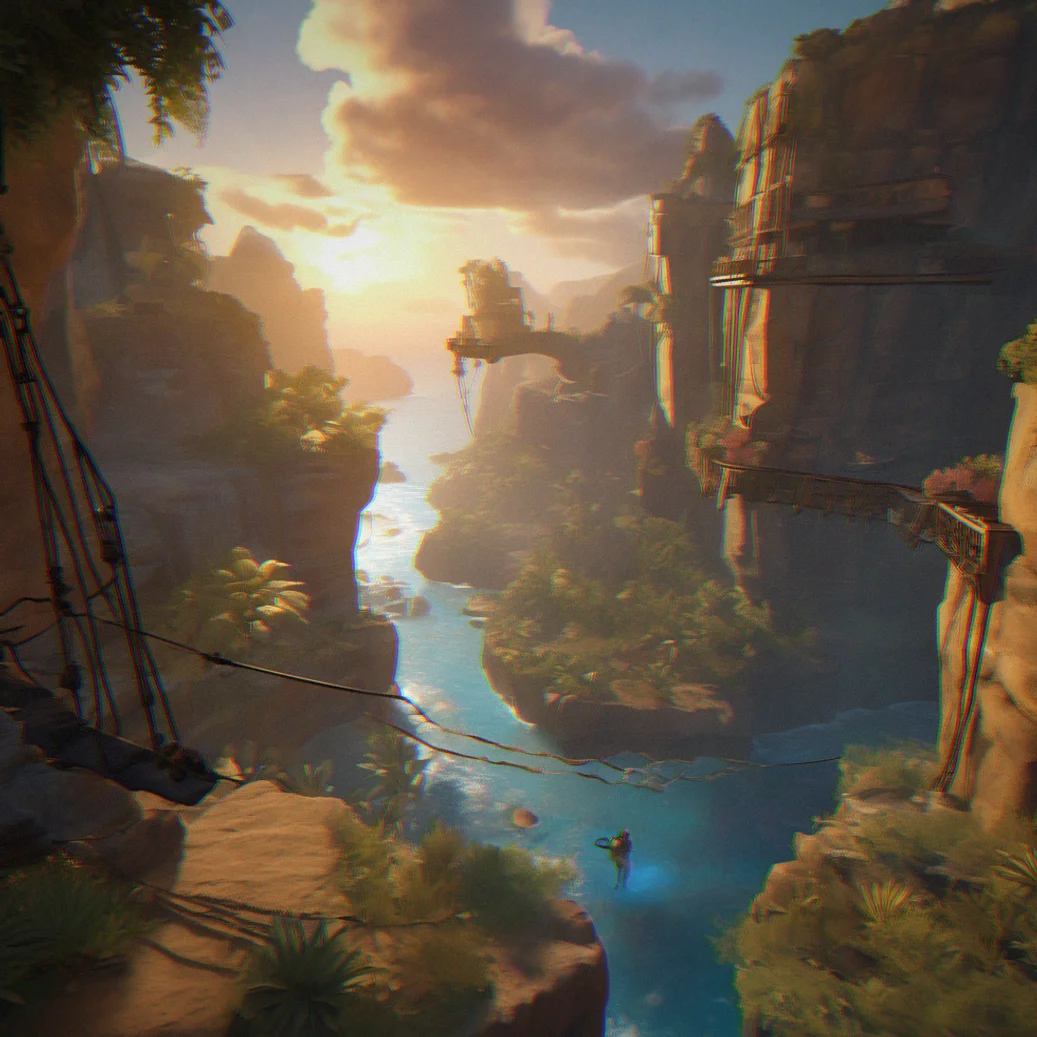
There are roughly 47 puzzles spread across the island and honestly, none of them feel like puzzles until you're already in the middle of solving one. You spot something—stones arranged in a way that nags at you, water flowing somewhere it shouldn't, a tool sticking out of the ground. So you walk over. You mess with it. Something clicks into place. A door you had no idea was there opens up. Suddenly you're further into the island than you were a few minutes ago, and you know something you didn't before. That's the whole thing. You notice something. You dig into it. You figure it out. You move on. Do that for somewhere between 40 and 70 hours and you start to feel like you're actually discovering things instead of just ticking boxes.
Gathering resources isn't just busy work—it's how you learn the place. Silver moss only shows up where it's damp, so you start understanding how water moves through the island. Fiber bundles cluster around certain plants, which teaches you to read what's growing and where. Stone fragments lie along cracks in the rock, hinting at where things might break or shift. By the time you've played for over a dozen hours, you're not picking things up because some UI is telling you to. You're doing it because you know what you'll need for what comes next. That shift is everything.
Environmental Puzzle Logic
Every mechanic is rooted in how things actually work: leverage, water pressure, weight, the way stone splits. When you crack a puzzle, it's because you undersstood the physics behind it, not because you stumbled onto the right button to press.
Curiosity-Driven Progression
There's no artificial leveling system here. You learn to climb rope by finding the temple and figuring out how it works. Reading the ancient glyphs comes from putting the language together yourself. Knowledge is what opens doors.
Hand-Crafted Biome Interconnection
Three different regions, each one teaching you how to approach the next. What works in the wetlands applies to the ridges. The navigation tricks you learn on the ridges work in the forests. They're all variations on the same set of ideas.
Minimal UI, Maximum Agency
There are no waypoints pointing you toward your goal. No quest log spelling out what to do next. You navigate using your own memory and instinct. Some players hate that. Others feel genuinely free because of it.
How Biomes Teach You to Play
You start in the wetlands. That's where resource tracking clicks—spotting silver moss bunched up near the water, noticing how fiber clusters follow vegetation patterns, understanding what the terrain is actually telling you. It feels manageable. Then the limestone ridges force you to think vertically and deal with weight in a whole new way. You discover leverage. You figure out that stone breaks in consistent ways. When you finally push into the forest—thick with shadows and barely any light—you're already using techniques you picked up 5 hours back without even thinking about it. The forest doesn't rehash what the ridges showed you. It assumes you've got that down. Every biome speaks the same language in a different accent, and you're getting better at understanding it.
Biome-Specific Puzzle Archetypes
The wetlands make you think about water movement and how resources scatter across space. Ridges are all about structure and working your way up walls. When you hit the forest, stealth and close observation become your main tools, especially when you can barely see what's in front of you.
Cumulative Knowledge System
What you learn in the first biome isn't optional for the second. Nothing resets. You bring all your mechanical skill forward, plus the understanding that you can actually figure this stuff out.
Non-Linear Traversal Routes
Each region has multiple ways through it. Shortcuts pop up once you know the place well enough to spot them. Some people find one after about 8 hours. Others take 20. Both work fine.
Environmental Narrative Density
Every biome's telling you something through what you find lying around, the buildings, how things have fallen apart. A civilization lived here and left traces everywhere. You just have to learn how to read them.
What You Get
Eight reasons this island matters
47 Hand-Crafted Puzzles
Each one has multiple solutions. They don't feel like puzzles until you're already working through them. The logic comes from the environment itself, not from abstract challenge design.
Over a thousand discoverable objects
Most of them tell a story once you connect the pieces. Artifacts, tools, broken architecture—remnants of a civilization scattered across the island. Someone just needs to read it.
Non-Linear Progression
No quest log. No markers on your map. You gain new abilities by finding and understanding the systems that teach them. Rope-climbing, glyph-reading, breathing underwater for longer stretches. Knowledge is what opens doors.
Forty to seventy hours of exploration
Could be more, could be less. Depends on how deep you dig for secrets. Whether you're someone who stops on a ridge just to watch the world. Most people wrap up around fifty-five hours.
Three Interconnected Biomes
Wetlands teach you how to read resources. Ridges teach structural patterns. Forest teaches observation in darkness. Each assumes you picked up the language from the last one. You build fluency as you go.
Minimal UI, Maximum Agency
No screen clutter. You rely on memory and instinct to navigate. Some people find it annoying. Others call it freedom.
Offline Play
Download it once and you're set. No internet required. No servers to stay online. The island works without a connection.
Cross-Platform Sync
Play on your phone, pick it up on a tablet. Your save goes with you. Twenty minutes on the commute, then a longer session when you get home.
Questions
Before You Download
Actual questions from people trying to figure out if this island is worth playing. Straight answers.
No. The island has puzzles, environmental hazards, and consequences for bad climbing choices—but no enemies and nothing that tests your reflexes or weapon management.
Somewhere between 40 and 70 hours depending on how deep you go hunting secrets and whether you're the type to just sit and watch the scenery. Most people finish their first run in the mid-50s. You can replay individual biomes in sandbox mode after the story's done, no progression pressure.
There's no skip button because the puzzle isn't blocking a quest—it's blocking a path. If you hit a wall after 20 minutes, do something else on the island. Come back in a few hours once you've picked up more knowledge. Sometimes you're just not ready for that room yet, and that's intentional.
Download it once and you're done. Fully playable offline. No server checks, no battle pass, no seasonal stuff locking you out. Fly for six hours with nothing and you won't notice a difference.
Get In Touch
Spotted something weird out there on the island? Curious about how the puzzles actually work? Or maybe you've been playing nonstop for like two days straight and need to tell someone? We genuinely read everything that comes through.
- You'll hear back in a couple of days
- An actual person reads every message, not a bot
- We keep your email to ourselves
- If it's a bug, we jump on it right away
The island remembers who reaches out.